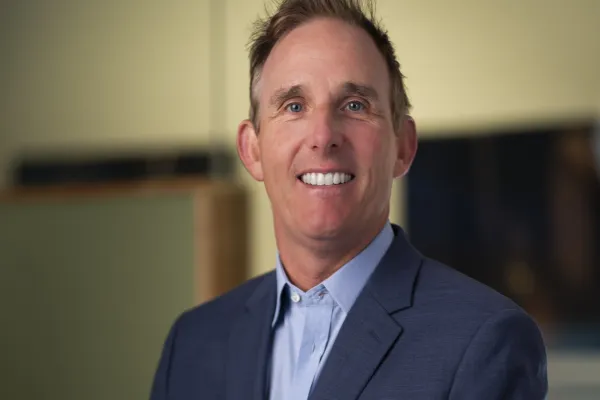


As New York City's 52nd comptroller, Mark Levine is moving to tackle the city’s “desperate shortage” of affordable housing by investing $3 billion from the city’s $315 billion pension funds directly into the five boroughs.
The former Manhattan Borough President made affordability a cornerstone of his campaign for comptroller. Now, as fiduciary and custodian of the city’s five pension plans, Levine has the authority to invest up to 2 percent of their combined portfolio — about $6.3 billion — in local projects that advance economic development, such as affordable housing or healthcare.
The priority is to find what Levine calls the “sweet spot” of opportunities that meet investment standards while financing housing in NYC that might not otherwise be built or preserved. This includes not only investing in new buildings but also preventing existing affordable housing developments from expiring and going out at market rate.
“We will seek out opportunities where we meet our investment standards to maximize risk-adjusted returns but also have a chance to impact affordable housing in the city,” Levine told Institutional Investor over video.
Currently, only half of the allowed local investment capacity is being used. “We’ve only got 1 percent deployed,” Levine said. “And we want to go up to the max.”
He noted that the “team has already identified a few significant projects that meet these dual goals.” He aims to present a formal proposal to trustees for approval within the month.

NYC to Remain Activist
Levine inherited the portfolio from Brad Lander, an outspoken proponent of socially responsible investing and critic of the current presidential administration, who was detained by federal agents last year (“Brad deserves a lot of credit on immigration issues,” Levine said). The new comptroller intends to maintain his predecessor’s activist legacy (both Lander and Levine are Democrats).
“New York City is known for being very activist and absolutely will continue to be,” he said, affirming support for net-zero carbon plans, shareholder campaigns, and corporate governance work. “Three of our five pensions have a net-zero plan for 2040, which I absolutely support and will work on executing.”
He noted that this form of activism is “a little more complicated in the Trump era, but we’re still confident we can make our views known.”
Working with interim investment chief Monte Tarbox, who will run the day-to-day of the city’s funds until executive recruiter Korn Ferry finds a permanent CIO, the comptroller is also looking to expand the pensions’ private equity allocations and conduct a new strategic asset allocation review in the coming months.
Levine likewise intends to increase the portfolio’s exposure to alternative investments. “It’s becoming a growing and important part of our portfolio as it’s become a growing part of our economy,” he said. In 2022, the state raised the cap on investing in alternatives to 35 percent (up from 25 percent). This allows NYC to invest more in private credit and private equity.
“I’m glad that we moved to expand our ownership in that space because it’s performed very well for us,” he said.