
Erik Norland, CME Group
At a Glance:
- Japan's rising debt servicing costs and energy vulnerability undermine the yen's perceived safe haven status.
- The U.S. dollar has strengthened around 3% since the Iran conflict began, while gold has traded mostly sideways.
With geopolitical risk in the forefront, many investors are asking a similar question: where should one turn for a safe haven? The Japanese yen, the Swiss franc, the U.S. dollar or gold? The reality is that there are no easy answers.
Since the Iran conflict began on February 28, the U.S. dollar has emerged as the primary flight-to-quality instrument, gaining around 3% while most foreign currencies fell against the greenback.
The Energy Advantage
In past crises, investors often fled to gold or the Japanese yen. Today, they're choosing the U.S. dollar – and energy is part of the reason why.
For decades, the yen was a reliable "flight to quality" instrument, but it has two disadvantages in the current environment. First, Japan produces very little of its own oil and natural gas. Higher fuel prices mean higher import bills and slower growth, a dynamic that weighs directly on its currency. Second, Japan’s debt-to-GDP ratio stands at nearly twice that of the U.S. and six times that of Switzerland.
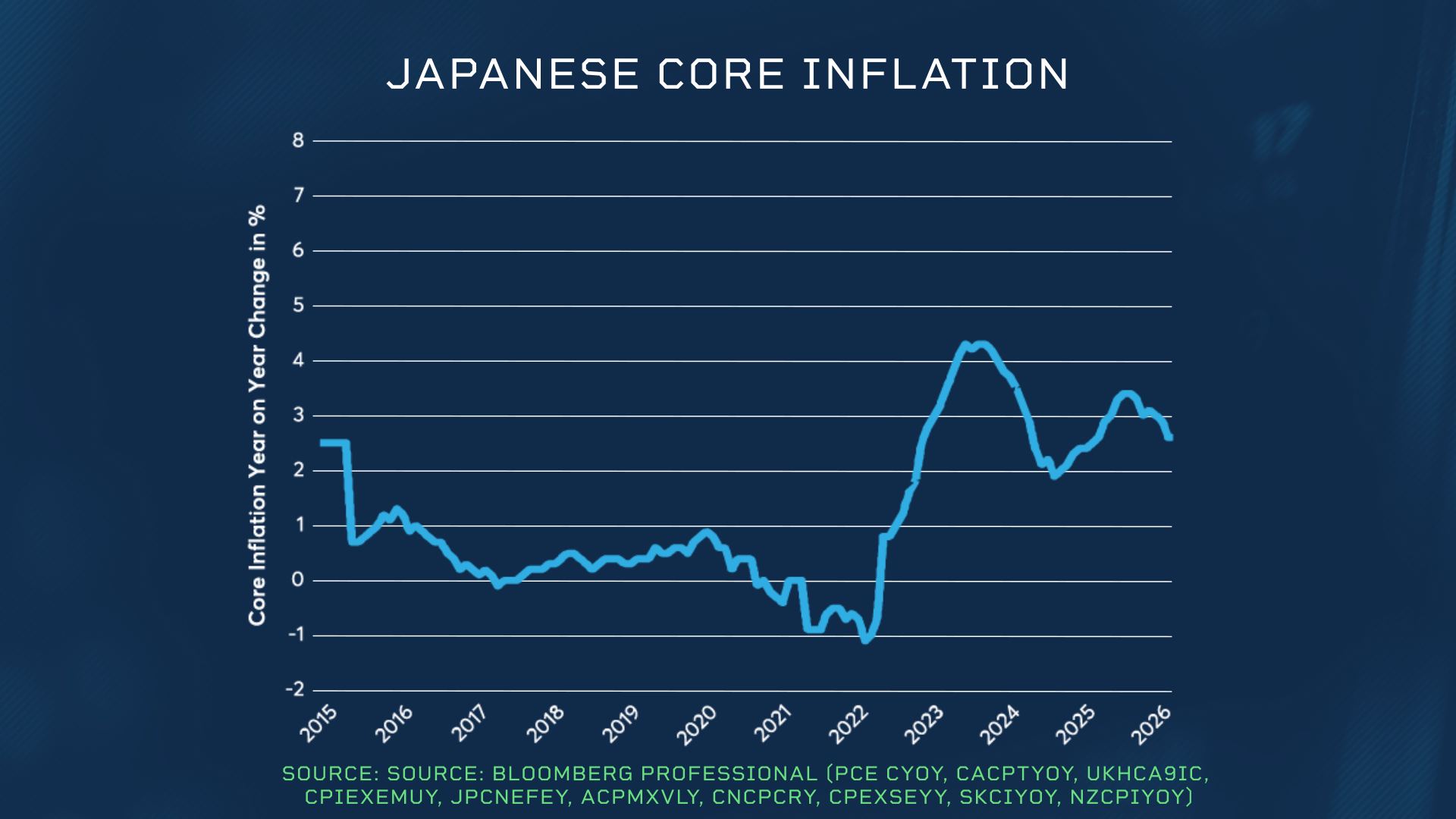
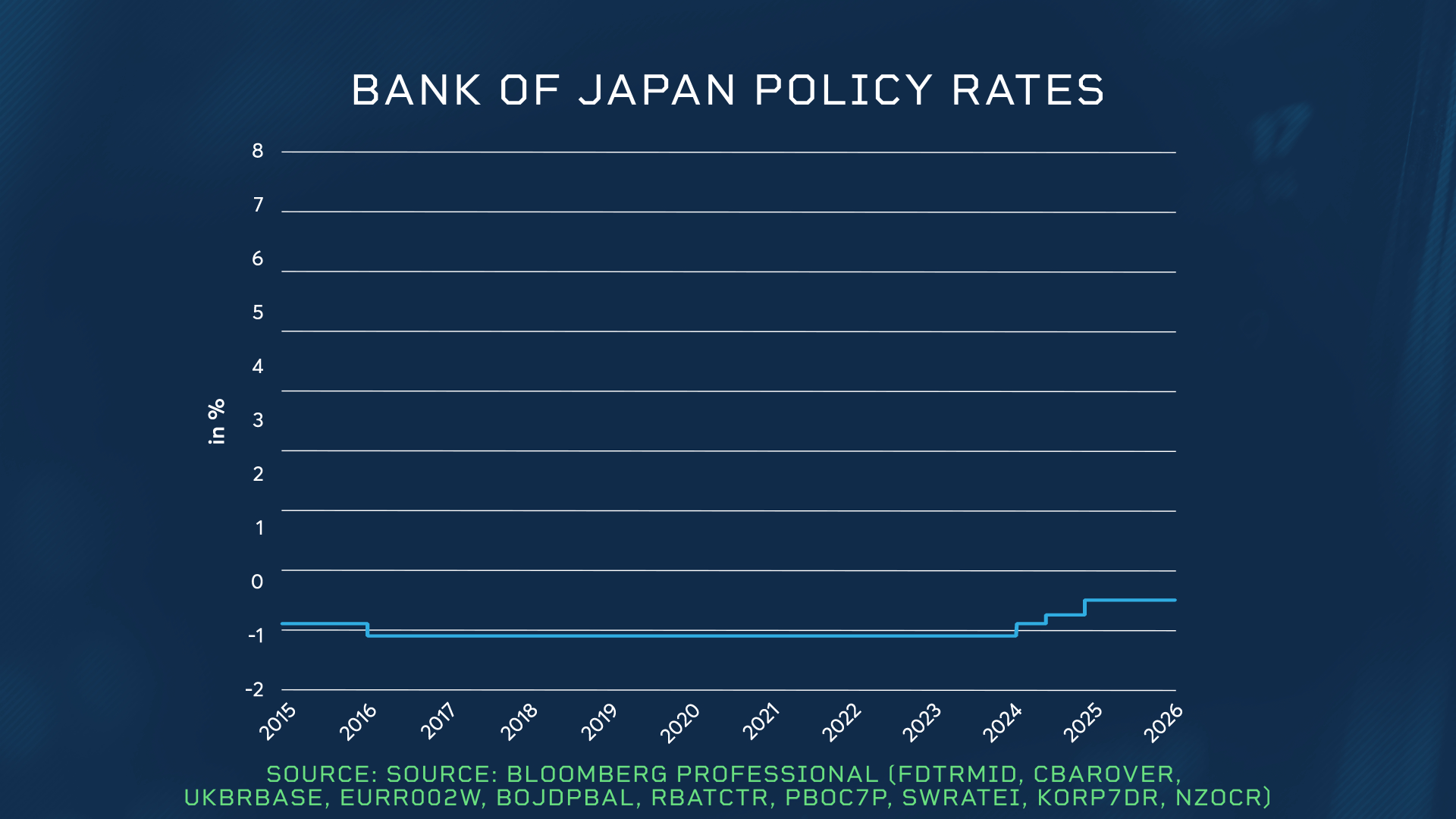
This debt burden didn’t matter when interest rates were stuck at zero. But now, with inflation above target and the Bank of Japan raising rates, long-term bond yields have surged. The soaring cost of financing that debt puts further downward pressure on the yen, altering the yen's role as a protective asset.
Conversely, the U.S. produces approximately 13.9 million barrels of crude oil daily, covering nearly all domestic demand. While energy-dependent regions like Europe, South Korea and Japan remain highly vulnerable to supply disruptions, America’s energy independence provides a distinct economic advantage. This asymmetry in energy exposure explains why the dollar is functioning as the preferred safe haven at the moment.
What About Gold?
Gold rallied nearly 100% in the year leading up to this conflict, meaning it entered the crisis already very expensive. Since then, it’s traded mostly sideways as many investors de-risk portfolios, selling equities and cryptocurrencies alongside precious metals.
Gold often anticipates inflation in advance. However, once that inflation actually arrives, the metal doesn’t always benefit immediately. Instead, rising inflation prompts central banks to raise interest rates or delay planned cuts, which makes fiat currencies relatively more attractive.
The Shift to Energy-Backed Currencies
With traditional safe havens showing mixed performance, where are investors turning?
The focus seems to be shifting toward currencies of net energy exporters. For example, the Canadian dollar has strengthened against major currencies – Canada's oil production of approximately five million barrels per day, the vast majority destined for export markets, positions the loonie to benefit from elevated crude prices.
When it comes to an energy shortage crisis, which currency to select has become more important than ever.
CME Group futures are not suitable for all investors and involve the risk of loss. Full disclaimer. Copyright © 2026 CME Group Inc.